
A curtain wall support system, often referred to as anchoring or bracket system, is the critical structural backbone that securely attaches a non-structural curtain wall facade to a building’s main frame. Unlike traditional load-bearing walls, curtain walls bear only their own weight and wind loads, making the support system essential for stability and performance.
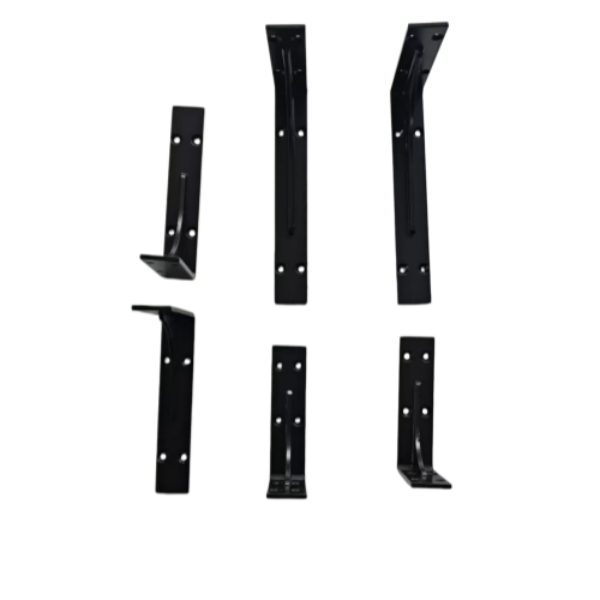
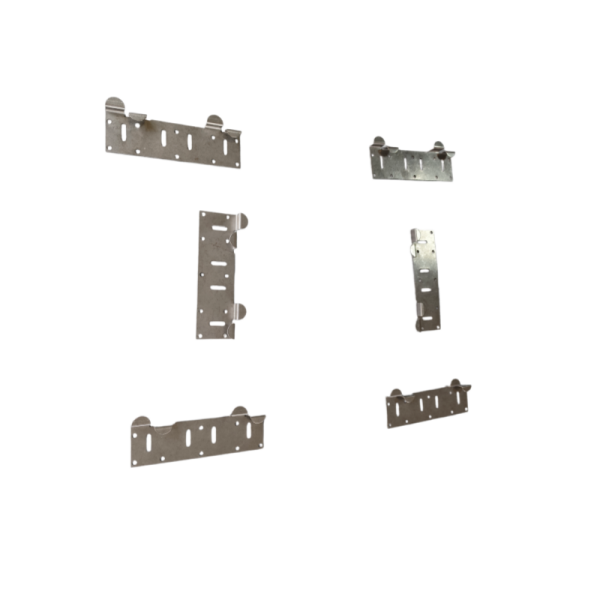
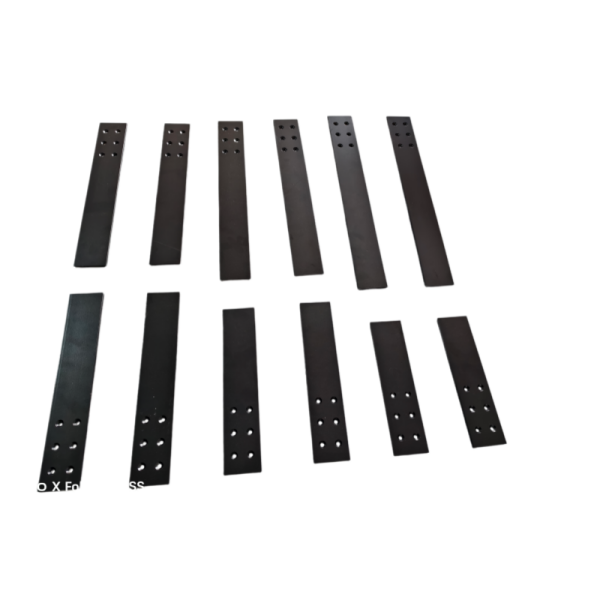
The system typically consists of three main components: anchors (bolted or welded to the building’s slab or beam), adjustable brackets, and vertical mullions. The brackets allow three-dimensional adjustments to compensate for construction tolerances, ensuring the facade remains perfectly aligned. These supports are most commonly made of hot-dip galvanized steel or aluminum for corrosion resistance and strength. Connection types include bolted joints for flexibility and welded joints for rigid fixity.
\
Beyond simple attachment, the system manages critical forces: wind pressure, thermal expansion, seismic movements, and structural deflection of the main building. Properly designed supports also provide drainage channels and thermal breaks to prevent condensation and energy loss.
In modern high-rise construction, precise engineering of curtain wall supports is non-negotiable—it directly impacts safety, durability, and airtightness. A well-designed system allows the building to sway naturally while keeping the glass or metal facade intact and operational.
Post time: Apr-21-2026